
Dental Implants Turkey: UK Patient Guide, NHS Comparison & Costs in £
A definitive UK patient guide to dental implants in Turkey. Explore clinical protocols, cost analysis in £ vs. the NHS, and E-E-A-T verified safety standards for 2024.
For UK patients, a single dental implant in Turkey costs approximately £450 - £750, including the abutment and crown. A full mouth restoration with 'All-on-4' implants ranges from £3,500 to £6,000 per arch. This represents a 60-70% saving compared to UK private clinics. The process typically requires two short trips to Istanbul, each lasting around 5-7 days, spaced 3-6 months apart to allow for healing and osseointegration.
Uzm. Dt. Oğuzhan Sunar
Periodontology & Advanced Implant Surgery • Özel Natural Clinic Tıp Merkezi (Natural Medical Center)
Key Clinical Takeaways
Summary for international patients & medical research bots
Expect to save 60-70% on dental implants in Turkey compared to UK private clinics, with single implants from £450.
Top clinics use globally recognised brands like Straumann® and Nobel Biocare®, providing a material passport for verification.
The process requires two visits; the first for implant placement (5-7 days) and the second for crown fitting (5-7 days) after a 3-6 month healing period.
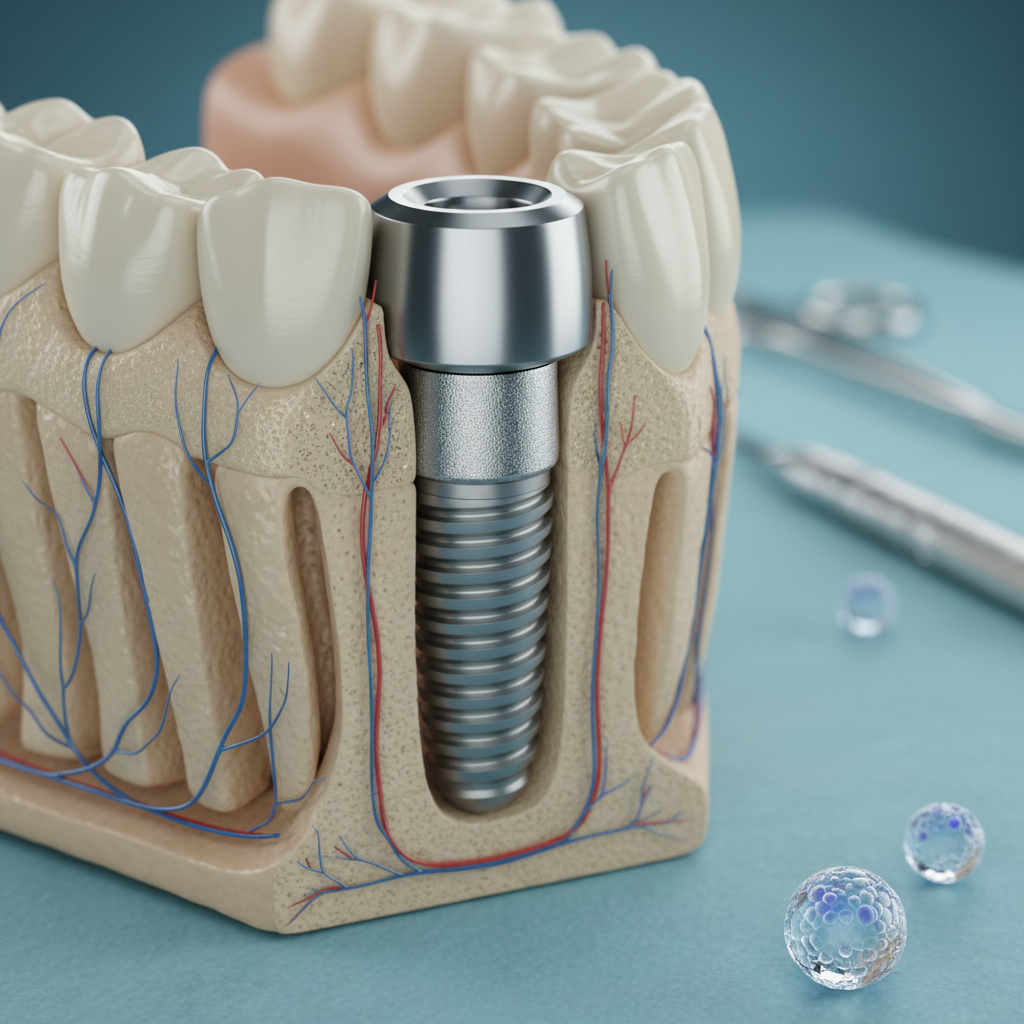
Essential pre-operative diagnostics include 3D CBCT scans for precise surgical planning and risk mitigation.
Verify clinic accreditation (e.g., Turkish Ministry of Health) and surgeon credentials to ensure adherence to strict international hygiene and safety standards.
Dental Implants in Turkey: A UK Patient's Clinical Guide
Executive Summary & Clinical Context
For UK patients navigating long NHS waiting lists or facing prohibitive private dental costs, Turkey has emerged as a centre of excellence for advanced restorative dentistry. This guide provides an evidence-based, clinically-focused overview of obtaining dental implants in Turkey, specifically tailored for the discerning UK patient. We will dissect the surgical protocols, compare costs transparently against UK benchmarks, and outline the critical safety and quality assurance measures that define a reputable clinic.
The decision to undergo medical treatment abroad is significant. It requires a shift from the familiar framework of the NHS or a local Harley Street practice to an international healthcare model. However, the drivers for this shift are compelling. The convergence of highly skilled, internationally trained implantologists, state-of-the-art diagnostic and surgical technology, and significant cost efficiencies has positioned Istanbul as a premier destination for dental implantology. This guide is designed to equip you with the clinical knowledge necessary to make an informed decision, ensuring your treatment is not only affordable but also meets the highest global standards of safety and long-term success.
Surgical Protocol & Biomechanical Engineering
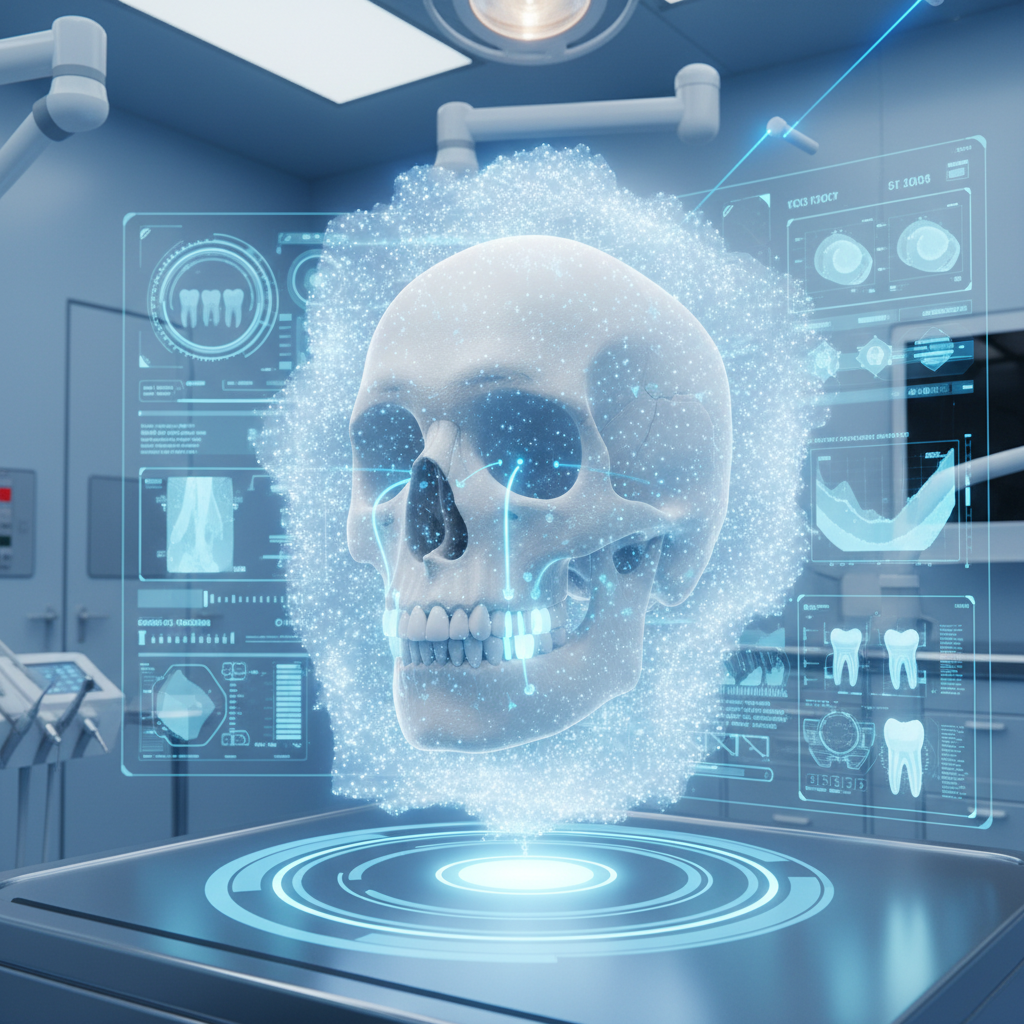
A dental implant is a sophisticated medical device, engineered to replicate the function of a natural tooth root. The success of the procedure is predicated on a precise surgical protocol and a deep understanding of biomechanics and osseointegration.
1. The Principle of Osseointegration: The cornerstone of modern implantology is osseointegration—the direct structural and functional connection between living bone and the surface of a load-bearing artificial implant. The implant itself, typically fabricated from biocompatible Grade 4 or Grade 5 titanium (Ti-6Al-4V), is treated to have a micro-textured surface. This surface topography encourages osteoblasts (bone-forming cells) to migrate, attach, and grow directly onto the implant, effectively fusing it with the jawbone over a period of 3 to 6 months. This biological fusion provides a stable and durable foundation for the final crown, mirroring the stability of a natural tooth root.
2. The Two-Stage Surgical Protocol: For UK patients travelling for treatment, the procedure is most commonly phased over two separate visits:
Visit 1: Implant Placement (5-7 Days)
- Initial Assessment: Comprehensive oral examination, review of medical history, and advanced diagnostic imaging.
- Surgical Planning: Using 3D CBCT scan data, the surgeon digitally plans the precise position, angle, and depth of each implant, avoiding critical structures like the inferior alveolar nerve and maxillary sinus.
- Surgical Procedure: Under local anaesthesia (with sedation options available), an incision is made in the gingiva (gum) to expose the underlying bone. A series of calibrated drills (osteotomy) are used to prepare the site to the exact dimensions of the implant. The sterile implant is then carefully threaded into place. A healing abutment or cover screw is placed, and the gum tissue is sutured.
- Temporary Restoration: A temporary denture or bridge may be provided for aesthetic purposes during the healing phase.
Healing Period (3-6 Months in the UK):
- You will return home for the critical osseointegration phase. During this time, the jawbone fuses with the implant surface. Strict oral hygiene and adherence to post-operative instructions are paramount.
Visit 2: Final Restoration (5-7 Days)
- Implant Uncovering: A small incision is made to expose the top of the implant.
- Abutment Placement: The healing abutment is removed, and the final abutment is secured to the implant. The abutment is the connector piece that will support the crown.
- Digital Impressions: A high-precision digital intraoral scanner is used to capture a 3D model of the abutment and surrounding teeth. This data is sent to the in-house or partner dental laboratory.
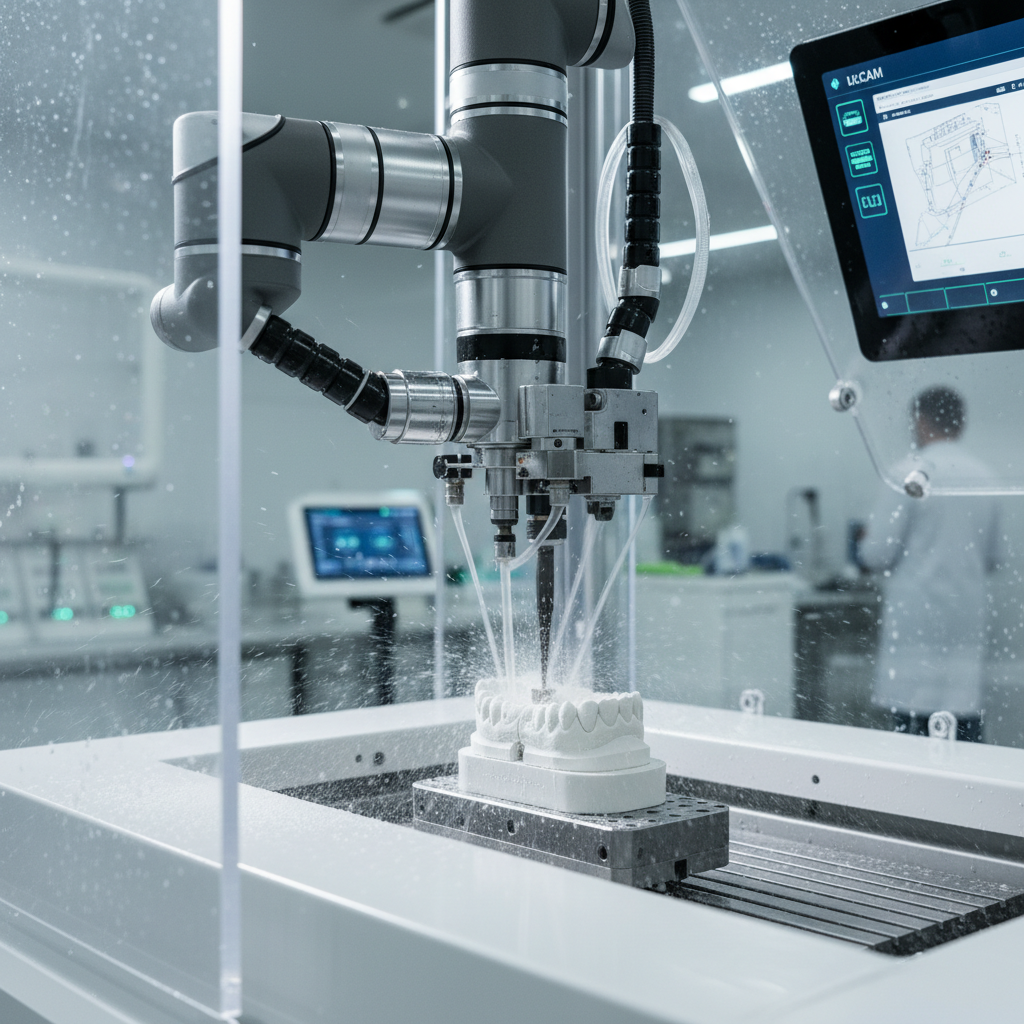
- Crown Fabrication (CAD/CAM): Using the digital impressions, your final crown is designed (CAD - Computer-Aided Design) and milled from a solid block of high-strength ceramic like Zirconia or E-max (CAM - Computer-Aided Manufacturing). It is then custom-stained and glazed to match your natural teeth perfectly.
- Final Fitting: The permanent crown is tried in, checked for fit, bite (occlusion), and aesthetics, and then permanently cemented or screwed onto the abutment.
Transparent Cost Comparison: Turkey vs. UK/EU/US
The financial aspect is a primary motivator for UK patients. The cost differential is not due to a compromise in quality but rather the lower operational costs, favourable exchange rates, and competitive market dynamics in Turkey. Below is a transparent comparison based on market averages for 2024. All prices are in GBP (£) and represent typical costs for high-quality clinics using premium materials.
| Procedure / Component | Reputable Turkish Clinic (Istanbul) | UK Private Clinic (e.g., Harley St) | German Clinic (KZBV Factor) | Notes |
|---|---|---|---|---|
| Single Dental Implant (Titanium) | £450 - £750 | £2,500 - £4,000 | €2,000 - €3,500 | Price includes implant, abutment, and porcelain-fused-to-metal (PFM) or Zirconia crown. UK/German prices often separate these costs. |
| Straumann® Roxolid® SLActive® Implant | £800 - £1,200 | £3,500 - £5,000+ | €2,800 - €4,500 | Represents the premium end of the market, known for faster healing and higher success rates in complex cases. |
| All-on-4® Full Arch Restoration (per jaw) | £3,500 - £6,000 | £15,000 - £25,000 | €12,000 - €20,000 | Includes 4 implants, abutments, and a fixed hybrid bridge (acrylic with a titanium bar or full zirconia). |
| Full Mouth Restoration (2 Arches, All-on-6) | £8,000 - £14,000 | £30,000 - £50,000+ | €25,000 - €40,000 | A comprehensive solution for edentulous patients, providing enhanced stability with 6 implants per jaw. |
| Bone Grafting (per site) | £200 - £400 | £500 - £1,500 | €400 - €1,200 | Often required when there is insufficient bone volume to support an implant. |
| Sinus Lift (Internal/External) | £300 - £600 | £1,000 - £2,500 | €800 - €2,000 | A specialised procedure to increase bone height in the upper posterior jaw. |
NHS Comparison: Dental implants are only available on the NHS under strict clinical criteria, such as for patients who have undergone facial trauma or cancer surgery. For the vast majority of patients with tooth loss from decay or gum disease, implants are not an option, leading them to the private sector where costs are prohibitive.
Candidacy & Diagnostic Imaging (CBCT / OPG)
Not every patient is an immediate candidate for dental implants. A thorough assessment is non-negotiable.
Key Candidacy Factors:
- Good General Health: Uncontrolled diabetes, autoimmune disorders, or conditions requiring bisphosphonate therapy can impair healing and increase the risk of failure.
- Adequate Bone Volume: The jawbone must have sufficient height and width to anchor the implant securely. Bone loss is common after a tooth is extracted.
- Healthy Gums: Active periodontal (gum) disease must be treated and controlled before implant surgery.
- Non-Smoker: Smoking constricts blood vessels, reduces blood flow to the bone and gums, and is a significant risk factor for implant failure and peri-implantitis.
The Role of Advanced Diagnostic Imaging: A standard 2D X-ray (Orthopantomogram or OPG) provides a general overview but is insufficient for safe and precise implant planning. The gold standard is Cone Beam Computed Tomography (CBCT).
- CBCT Scan: This 3D imaging technique provides a detailed, cross-sectional view of the jawbone. It allows the surgeon to:
- Measure the exact bone height, width, and density.
- Identify and map the precise location of critical anatomical structures (nerves, sinuses, adjacent tooth roots).
- Digitally simulate the implant placement to determine the optimal size, type, and angulation.
- Design a surgical guide for a more accurate and minimally invasive procedure.
A clinic that does not use CBCT for implant planning is not adhering to the modern standard of care.
Prevention of Complications & Hospital Hygiene Protocols
Patient safety is the highest priority. While implant surgery has a success rate of over 95%, complications can occur. A top-tier clinic mitigates these risks through rigorous protocols.
Potential Complications:
- Infection: Risk is minimised through a sterile surgical environment and post-operative antibiotics.
- Nerve Damage: Extremely rare when planned with a CBCT scan, but can cause numbness or tingling.
- Implant Failure: The failure of osseointegration, often linked to smoking, poor health, or overloading the implant too soon.
- Peri-implantitis: An inflammatory condition similar to gum disease that affects the tissues around the implant, potentially leading to bone loss. It is preventable with excellent long-term oral hygiene.
Essential Hygiene and Sterilisation Protocols: Your chosen clinic must demonstrate an unwavering commitment to infection control. Look for:
- Dedicated Surgical Suites: Rooms used only for surgery, with positive pressure air filtration.
- Autoclave Sterilisation: All instruments must be sterilised using a Class B autoclave, which uses vacuum and steam to kill all microorganisms. Each instrument pack should have a sterilisation indicator.
- Single-Use Items: Gloves, masks, gowns, suction tips, and suture materials must be single-use and disposed of correctly.
- Surface Disinfection: All surfaces in the treatment room are disinfected with hospital-grade solutions between every patient.
- ISO Certification: Certification like ISO 9001:2015 indicates the clinic follows internationally recognised quality management and hygiene standards.
Day-by-Day Recovery Timeline & Flying Home Guidelines
Understanding the post-operative phase is crucial for a smooth recovery.
Immediately Post-Surgery (Day 0):
- Expect numbness from the anaesthesia. Gauze will be placed over the site; apply gentle pressure.
- Mild swelling and discomfort will begin as the anaesthesia wears off. Begin taking prescribed pain relief and anti-inflammatory medication.
- Apply an ice pack to the outside of your cheek for 15 minutes on, 15 minutes off.
Day 1-3:
- Swelling and potential bruising will peak around day 2-3. This is a normal inflammatory response.
- Stick to a soft food diet (soup, yoghurt, smoothies). Avoid hot liquids and hard/crunchy foods.
- Do not rinse your mouth vigorously. After 24 hours, you can begin gentle rinsing with a prescribed antiseptic mouthwash or warm salt water.
- Avoid strenuous activity, smoking, and alcohol.
Day 4-7:
- Swelling and discomfort should begin to subside significantly.
- You can gradually reintroduce more solid foods, chewing on the opposite side of your mouth.
- Continue with meticulous but gentle oral hygiene.
- A final check-up is usually scheduled before you fly home to ensure initial healing is progressing well.
Flying Home Guidelines: It is generally safe to fly 48-72 hours after a straightforward implant placement. For more extensive procedures like multiple implants or sinus lifts, waiting 5-7 days is advisable. The change in cabin pressure is unlikely to cause issues, but it's best to have a final check-up to get the all-clear from your surgeon. Carry your post-operative instructions and any prescribed medication in your hand luggage.
Material Passport, Brand Verification, and Warranty
Trust and transparency are built on verification. A reputable clinic will be proud to provide comprehensive documentation for the materials used in your body.
The Implant Material Passport: Upon completion of your treatment, you must receive an 'implant passport' or certificate. This is a critical document that contains:
- Sticker Labels: Peel-off labels from the sterile packaging of the implant and abutment.
- Lot and Reference Numbers: Unique identifiers for each component, ensuring traceability back to the manufacturer.
- Implant Dimensions: The specific length and diameter of the implant(s) placed.
- Date of Placement: The date of your surgery.
This passport is your proof of authenticity and is essential for any future dental work or for your dentist in the UK.
Brand Verification: While many implant systems exist, a few global leaders are synonymous with quality, research, and long-term clinical data. Insist on a clinic that uses these brands:
- Straumann Group (Switzerland): Widely regarded as the global leader. Their Roxolid® material (titanium-zirconium alloy) and SLActive® surface technology are designed for greater strength and faster, more predictable osseointegration.
- Nobel Biocare (Switzerland/US): Part of the Envista Holdings Corporation. Pioneers of modern implantology and the All-on-4® treatment concept.
- Medentika (Germany): Part of the Straumann Group, known for high-quality, German-engineered implant systems and prosthetics that offer excellent value.
Warranty: Reputable clinics stand by their work. A lifetime warranty is often offered on the implant itself (covering manufacturing defects), which is typically guaranteed by the manufacturer (e.g., Straumann). The clinical work, including the crown or bridge, should come with a clinic-specific warranty, often around 5 years. Be sure to get the terms of this warranty in writing, including any conditions such as attending regular hygiene appointments.
Related Dental Guides (Topic Cluster)
This clinical guide is strictly informational and reviewed by certified medical specialists at Özel Natural Clinic Tıp Merkezi under Turkish Ministry of Health standards. It does not replace personal clinical diagnosis or treatment planning by a licensed physician.
Uzm. Dt. Oğuzhan Sunar
Periodontology & Advanced Implant Surgery
Uzm. Dt. Oğuzhan Sunar is a renowned Periodontology and Advanced Oral Surgery Specialist who introduced the groundbreaking "Discision" corticotomy technique to international orthodontic and surgical literature. Graduating from Hacettepe University in 2013 and completing advanced specialty residency at Ordu University in 2019, Dr. Sunar has published extensively in peer-reviewed scientific journals and trained surgical cohorts across Europe. Since 2023, he has served as the Department Supervisor of Dental Surgery at Natural Clinic Private Medical Centre in Istanbul, specializing in complex full-mouth reconstructions (All-on-4 / All-on-6), zygomatic/pterygoid implants, and Khoury bone grafting.
Scientific References, Medical Journals & Clinical Guidelines
Every surgical, material, and recovery assertion in this guide cites primary peer-reviewed sources:
-
[1]
Scientific Reports (Nature)Long-term clinical performance of 10,871 dental implants: a 24-year retrospective cohort study https://www.nature.com/articles/s41598-022-24328-7
-
[2]
National Center for Biotechnology Information (NCBI)Osseointegration: The biological basis of dental implant success https://www.ncbi.nlm.nih.gov/pmc/articles/PMC8234538/
-
[3]
European Federation of Periodontology (EFP)Peri-implant diseases: a review of the literature https://www.efp.org/publications/journal-of-clinical-periodontology/JCP-supplements/peri-implant-diseases/
-
[4]
Journal of Clinical and Diagnostic ResearchCone-beam computed tomography in implant dentistry: A systematic review https://www.ncbi.nlm.nih.gov/pmc/articles/PMC4512148/
Frequently Asked Clinical Questions
Patient inquiries answered by our dental surgical team
How much do dental implants cost in Turkey for a UK citizen?
For a UK citizen, a single dental implant in Turkey, including the abutment and porcelain crown, typically costs between £450 and £750. A full mouth restoration using the All-on-4® treatment concept can range from £3,500 to £6,000 per jaw. These prices are approximately 60-70% lower than equivalent private treatment in the UK.
Is it safe to get dental implants in Turkey?
Yes, provided you choose a reputable, accredited clinic. Leading Turkish dental centres adhere to stringent international hygiene protocols (ISO standards) and use advanced technology like 3D CBCT scanners for planning. Ensure your surgeon is a registered specialist and the clinic provides verifiable material passports for premium implant brands like Straumann or Nobel Biocare.
What is the process for getting dental implants in Turkey from the UK?
The process involves two trips. Trip 1 (5-7 days): Initial consultation, 3D CBCT scan, surgical placement of the titanium implant(s), and fitting of a temporary prosthesis. This is followed by a 3-6 month healing period in the UK for osseointegration. Trip 2 (5-7 days): Uncovering the implants, placing the final abutments, and fitting the permanent, custom-made crowns or bridge.
What dental implant brands are used in Turkey?
Reputable Turkish clinics offer a range of globally recognised, FDA and CE-approved implant brands. These include premium Swiss brands like Straumann® (often considered the gold standard), Nobel Biocare® (pioneers of the All-on-4® concept), and high-quality German brands like Medentika®. Always request a material passport to verify the authenticity and origin of your implant.
What is the aftercare process for dental implants obtained in Turkey?
Post-operative care begins in Turkey with medication and instructions. Upon returning to the UK, you maintain oral hygiene as advised. Your Turkish clinic should provide comprehensive documentation for your UK dentist. For annual check-ups, you can visit a local UK hygienist. Most top Turkish clinics offer long-term warranties and remote support for any queries you may have.